
Description
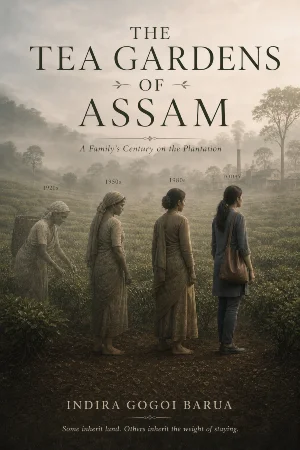
The Assam tea industry has a labour history that gets sanitised in the branding on every tin of Assam tea sold globally. Indira Gogoi Barua’s family memoir does not sanitise it. Her great-grandmother Bimala was transported from Jharkhand to a Jorhat district garden in 1908 under a contract that was, in practice, close to bondage. She couldn’t leave for the first five years. After that, she had nowhere else to go.
The Tea Gardens of Assam moves through four generations of women on the same plantation, watching the legal structure change — from colonial indenture to post-independence labour law to the current system of garden welfare that is simultaneously more humane and more paternalistic than anything that came before. The land doesn’t change. The relationship between the workers and the land doesn’t change in any way that matters.
Barua is honest about the complexity of her own position. She benefited from the garden — her mother’s management salary paid for her education in Guwahati and then in Delhi. She left the Northeast for a career in publishing and felt guilty about it in ways she couldn’t articulate until she started writing this book. The memoir is partly her attempt to understand that guilt.
The sections reconstructing Bimala’s life from oral history and archival records are the most careful writing — Barua is always transparent about what she knows versus what she’s imagining, and that honesty makes the imagined parts more rather than less powerful.
An important book about a part of India’s colonial labour history that doesn’t get nearly enough attention, written by someone who carries it personally.



Reviews
There are no reviews yet.